
Understanding Roof Flashing and Its Role in Preventing Leaks
By Kresta Roofing
When we talk about protecting your home from water damage, most people think of their shingles or roofing material. But one of the most critical components of any roofing system, especially in preventing leaks, is the flashing. As someone who’s installed and repaired countless roofs in the San Antonio and Boerne areas, I can’t stress enough how important proper flashing is to your roof’s longevity. Let’s dive into what flashing is, why it’s so important, and how it works to keep water out of your home.
What is Roof Flashing?
Roof flashing is a thin material, typically made of metal (like aluminum or galvanized steel), that is installed at key points of your roof to direct water away from vulnerable areas. It’s usually placed around roof penetrations such as chimneys, skylights, vents, and where different sections of your roof meet, like valleys and edges.
Flashing acts as a barrier, ensuring that water doesn’t seep into areas where shingles or roofing material alone may not provide enough protection. Without proper flashing, water can easily find its way into these weak spots, leading to leaks, mold growth, and even structural damage over time.
Types of Roof Flashing
Different areas of your roof require different types of flashing. Each type plays a specific role in keeping your home watertight:
- Step Flashing: This type is installed along roof edges where the roof meets a wall. It’s usually layered in steps to direct water down and away from the wall and roof junction. You’ll see this most commonly where roofs intersect with dormers or sidewalls.
- Drip Edge Flashing: This is installed along the edges of your roof to help direct water into the gutters rather than letting it drip down the fascia or the sides of your home. Drip edge flashing is essential for preventing water from infiltrating behind the gutter system, which can lead to wood rot or damage to your home’s exterior.
- Valley Flashing: Valleys are the areas where two roof slopes meet. This area is particularly vulnerable because it handles a large amount of water flow. Valley flashing is installed to channel water safely off the roof and into your gutter system.
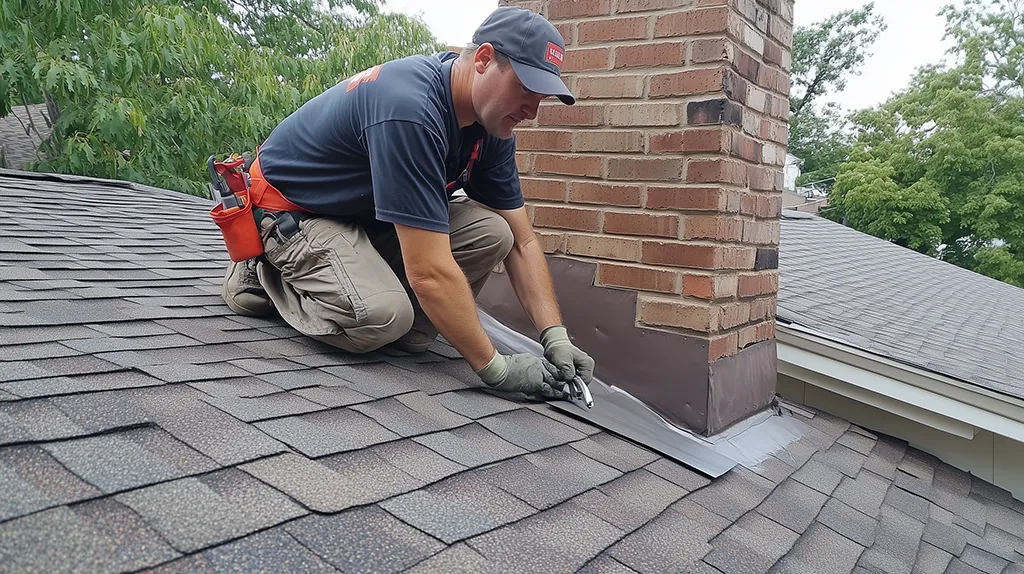
- Chimney Flashing: Chimneys are one of the most common places for leaks. Chimney flashing is installed around the base of the chimney to seal the gaps between the chimney and roof surface, ensuring that water cannot penetrate this area.
- Vent Pipe Flashing: Any time there’s a pipe or vent sticking out of your roof, it creates a potential weak point. Vent pipe flashing seals around these pipes to prevent leaks.
Why Roof Flashing is Crucial in San Antonio and Boerne
In the San Antonio and Boerne areas, our roofs face significant challenges from unpredictable weather. Between the scorching Texas sun, heavy rainstorms, and occasional hail, your roof takes a beating throughout the year. According to the National Roofing Contractors Association, water infiltration is one of the most common reasons for roof failure, and improper flashing is often the culprit.
Here in South Texas, where thunderstorms and sudden downpours can happen unexpectedly, proper flashing is essential for keeping your roof—and your home—protected. A poorly installed or damaged flashing system is a recipe for leaks, and once water gets inside, it can cause serious issues, from damaging insulation to weakening the structure of your home.
In fact, many of the roofing repairs I perform are directly related to flashing failures. Water can seep in unnoticed for months or even years, leading to expensive repairs down the line. This is why regular roof inspections, particularly after a heavy storm, are key to spotting flashing issues early before they turn into bigger problems.
Common Flashing Problems and How to Avoid Them
While flashing is designed to be durable, it can still develop problems over time due to age, weather, or improper installation. Here are a few common flashing issues I see on roofs in the San Antonio and Boerne areas:
- Corrosion or Rust: Metal flashing can corrode over time, especially in areas with high moisture levels. Once it rusts, it loses its ability to prevent water infiltration.
- Loose or Missing Flashing: High winds, like those we experience during Texas storms, can loosen flashing or tear it away from the roof entirely. This creates an immediate vulnerability for leaks.
- Cracked or Deteriorated Sealants: The sealants used to secure flashing to the roof can break down over time due to exposure to heat, UV rays, and weather. Once the sealant cracks, water can sneak in through the gaps.
- Poor Installation: Even the best materials won’t help if the flashing is improperly installed. Poorly installed flashing is one of the most common causes of roof leaks, and unfortunately, I see this all too often when I inspect roofs that were installed by less experienced contractors.
The best way to avoid these issues is by having your roof inspected regularly by a professional roofing contractor. As an Owens Corning Preferred Contractor and GAF Certified roofer, I can ensure that your flashing is installed correctly and make any necessary repairs before they turn into bigger problems. During inspections, I look for signs of wear and tear, rust, and any loose or missing sections of flashing, especially after major storms.
How Flashing Fits into the Bigger Picture of Roof Maintenance
Your roof is a system, and flashing plays an integral part in making sure that system works properly. While it might seem like a small detail, flashing does the heavy lifting when it comes to preventing water from entering those tricky areas where water is most likely to pool or flow. Proper flashing installation and maintenance can extend the life of your roof and prevent expensive water damage repairs down the road.
In San Antonio and Boerne, where weather conditions can change quickly, protecting your home with high-quality materials and expert craftsmanship is essential. At Kresta Roofing, we ensure that every detail, including flashing, is properly installed and maintained to keep your home dry and secure.
Sources:
- National Roofing Contractors Association: https://www.nrca.net
- GAF Roofing: https://www.gaf.com
- Owens Corning Roofing: https://www.owenscorning.com