
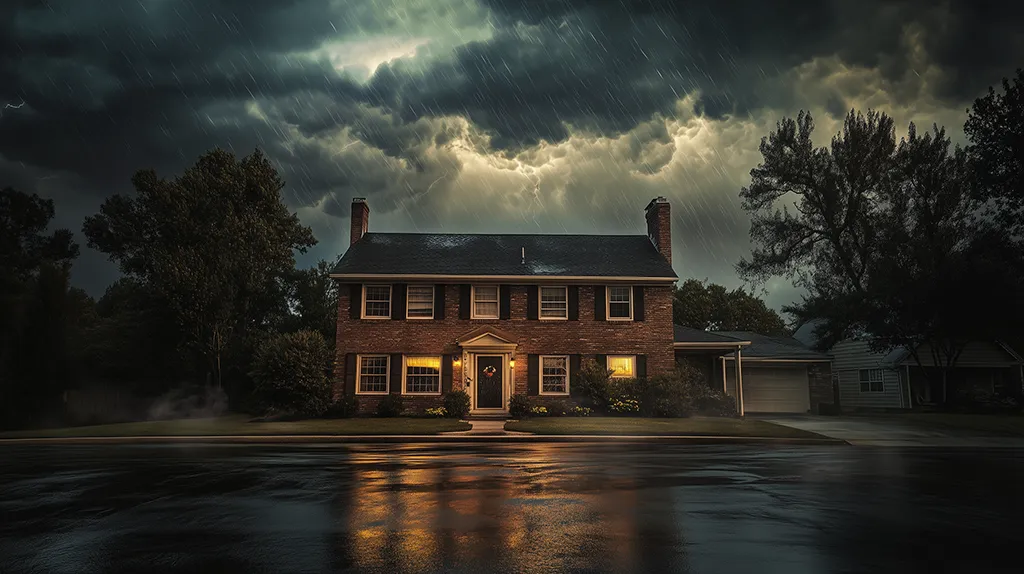
5 Signs It's Time for a Roof Inspection After a Texas Storm
By Kresta Roofing
Here in Texas, we know that storms can be fast, furious, and unpredictable. Whether it’s hail, high winds, or torrential downpours, your roof is the first line of defense in protecting your home. In areas like San Antonio and Boerne, we deal with everything from spring thunderstorms to the occasional severe hailstorm, and those conditions can take a toll on your roof. After a big storm, it’s essential to know when it’s time to call in a professional for a roof inspection. Here are five signs you should be on the lookout for after the storm passes.
1. Missing or Damaged Shingles
One of the clearest signs that your roof may have been damaged by a storm is missing or damaged shingles. Strong winds are common in Texas storms, and they can lift or even completely tear off shingles. Once the protective layer of your roof is compromised, water can easily find its way inside, leading to leaks and water damage.
If you notice shingles in your yard or see patches on your roof where shingles are missing, it’s time to schedule an inspection. As an Owens Corning Preferred Contractor, I’ve seen how wind-damaged shingles can lead to more extensive problems down the road if not addressed quickly. Our shingles, like the Owens Corning TruDefinition® Duration® series, are designed to resist wind speeds of up to 130 mph, but even the best shingles can be vulnerable after a particularly harsh storm.
2. Granule Loss
After a storm, check your gutters and downspouts for an accumulation of granules. Granules are the small, sand-like particles that coat the surface of asphalt shingles, helping to protect them from UV rays and impacts. If you notice a significant amount of granules in your gutters, it’s a sign that your shingles have experienced damage, likely from hail or wind.
Granule loss reduces the lifespan of your shingles, and if left unchecked, it can make your roof more vulnerable to future storms. Hail is particularly problematic in San Antonio and Boerne, where we frequently experience hailstorms that cause billions of dollars in damage each year. According to the Insurance Information Institute, Texas leads the nation in hail damage claims. If your home has been through a hailstorm, I recommend scheduling an inspection to assess the condition of your shingles.
3. Water Leaks or Stains Inside Your Home
One of the most obvious signs that it’s time for a roof inspection is if you notice water leaks or stains on your ceiling or walls after a storm. Even a small leak can indicate significant roof damage. When water gets through your roof, it can cause a range of problems, including mold, damaged insulation, and structural issues.
Leaks often occur when flashing is damaged or when shingles have been lifted, allowing water to seep into vulnerable areas. Flashing, which is installed around chimneys, vents, and roof valleys, can be particularly susceptible to damage during storms. If you notice any signs of water damage inside your home, it’s essential to call in a professional immediately.
4. Dented or Damaged Gutters and Flashing
Storm damage isn’t limited to your shingles—your gutters and flashing can take a hit too. Hail and debris blown by high winds can cause dents in your gutters or cracks in your flashing, compromising your roof’s ability to properly drain water. If water can’t flow off your roof correctly, it may pool in certain areas, increasing the risk of leaks and water damage.
After a storm, walk around your property and inspect your gutters for signs of dents, sagging, or separation from the roofline. Also, take a look at the flashing around your chimney, skylights, and other roof penetrations. If you see any signs of damage, it’s a good idea to schedule a roof inspection to prevent future problems.
5. Visible Signs of Hail Damage
Hail is one of the most damaging elements for roofs in Texas, and it’s often tricky to spot from the ground. Hailstones can bruise or crack shingles, causing small dents that may not be visible without a close inspection. Over time, these small cracks can lead to bigger problems, as water slowly works its way through the damaged areas.
If your neighborhood experienced a hailstorm, I recommend having your roof inspected even if you don’t notice obvious damage. As a GAF Certified roofer, I’ve seen how hail damage can worsen over time if left unaddressed. GAF Timberline® ArmorShield™ impact-resistant shingles are specifically designed to stand up to hail, but no roof is completely immune. It’s always better to catch hail damage early before it becomes a costly problem.
Protect Your Home After a Texas Storm
If you notice any of these signs after a storm, it’s crucial to schedule a professional roof inspection. At Kresta Roofing, we offer free storm damage inspections to help homeowners in San Antonio and Boerne identify potential problems before they turn into major headaches. Regular inspections and prompt repairs are the best ways to protect your home and extend the life of your roof.
Whether you’re dealing with wind damage, hail, or heavy rain, our team has the experience and certifications to ensure your roof is in top shape. Don’t wait until small issues become bigger, more expensive problems—give us a call today to schedule your roof inspection.
Sources:
- Insurance Information Institute: https://www.iii.org
- GAF Roofing: https://www.gaf.com
- Owens Corning Roofing: https://www.owenscorning.com