How Solar Panels Can Affect Your Roof's Structure
By Kresta Roofing
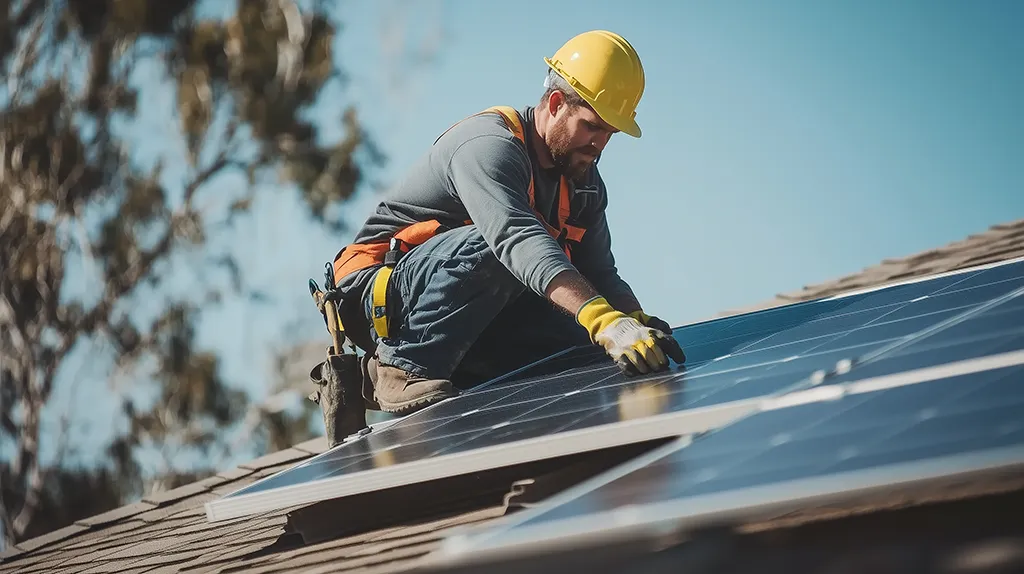
As more homeowners in San Antonio and Boerne move toward renewable energy, solar panel installations have become a popular addition to many homes. Solar panels are a great way to cut down on energy costs and reduce your carbon footprint, but they can also have an impact on your roof’s structure. Whether you’re already considering solar panels or just exploring the idea, it’s essential to understand how they interact with your roofing system and what to consider before installation.
From my experience as a roofing contractor, I’ve worked with homeowners who have both successfully integrated solar panels with their roofs and those who’ve encountered challenges. Here’s a breakdown of how solar panels can affect your roof, and what you can do to ensure a successful installation.
1. Weight and Structural Load
One of the first things to consider when installing solar panels is the weight they add to your roof. While solar panels themselves aren’t overly heavy, the mounting hardware and the cumulative weight of the panels can add a significant load to your roof. For most roofs in San Antonio and Boerne, this extra weight isn’t an issue, but it’s crucial to ensure your roof can handle it.
In general, solar panels add about 2.5-4 pounds per square foot to your roof. While that may not seem like much, it can be enough to cause problems if your roof structure isn’t in good condition or if your home has an older roof. As a GAF Certified roofer, I always recommend having a professional inspection to assess your roof’s structural integrity before moving forward with a solar panel installation.
If your roof is nearing the end of its lifespan, you might want to consider replacing it before installing solar panels. This way, you won’t need to uninstall and reinstall the panels when it’s time to replace the roof. In my experience, it’s a much more cost-effective and convenient solution to address both projects simultaneously.
2. Roof Penetrations and Leaks
One of the biggest concerns I hear from homeowners is how solar panels can impact the roof’s ability to prevent leaks. The mounting system used for solar panels often requires drilling into the roof to attach the racks that hold the panels in place. Anytime you penetrate the roof surface, there’s a risk of leaks if the installation isn’t done properly.
Most professional solar installers use flashing and sealants around the mounting points to ensure that water cannot seep into the roof through these penetrations. However, not all installations are created equal, and I’ve seen cases where improper sealing has led to leaks, especially after heavy rains or storms. With San Antonio’s unpredictable weather, including springtime storms and the occasional hail, it’s essential that your roofing system is watertight.
As an Owens Corning Preferred Contractor, I recommend ensuring that your roofing contractor and solar installer work together. By coordinating with the roofing professional, the solar installer can minimize potential issues by selecting the best locations for mounting and ensuring that all penetrations are properly sealed.
3. Wind Resistance
Here in South Texas, high winds are a common occurrence. While solar panels are built to withstand a fair amount of wind, the way they are mounted on your roof can affect your roof’s overall wind resistance. If the panels aren’t securely fastened, strong gusts can cause them to lift, which could pull shingles or roofing material away from the structure and lead to damage.
To prevent this, it’s important that the solar panels are installed by a licensed professional who understands both the roofing system and local weather patterns. Products like Owens Corning TruDefinition® Duration® shingles, which are known for their wind resistance up to 130 mph, are a great option for homes in the San Antonio and Boerne areas. If your roof is equipped with materials designed to handle wind, it’s less likely to suffer damage when solar panels are properly installed.
4. Roof Shading and Ventilation
While solar panels themselves are beneficial for energy production, they can sometimes affect your roof’s ventilation system if not installed with care. Proper roof ventilation is critical for extending the life of your roof and preventing issues like mold, ice dams (in rare cases during cold snaps), and excessive heat buildup.
Solar panels can sometimes shade vents or reduce airflow, particularly if your home relies on ridge or soffit vents. If airflow is restricted, your attic may not ventilate properly, which can lead to higher cooling costs during the summer—something no one in San Antonio or Boerne wants to deal with. Be sure your solar installation team takes into account the location of your vents and ensures that there’s no obstruction to airflow.
5. Roof Age and Condition
If your roof is nearing the end of its lifespan, installing solar panels without addressing the roof’s condition can lead to problems down the line. Solar panels can last 25 years or more, but if your roof needs replacement within the next 5-10 years, you’ll likely end up needing to remove the panels to replace the roof. This adds time and cost to both projects.
I always recommend getting your roof inspected before installing solar panels. If your roof is in good condition and has plenty of life left, you should be fine moving forward. However, if your roof is 15-20 years old or showing signs of wear, it might make sense to replace it before installing solar panels. As a GAF Certified and Owens Corning Preferred Contractor, we can provide you with durable roofing options that work seamlessly with solar systems, ensuring long-term protection and energy savings.
Final Thoughts: Working with the Right Professionals
Adding solar panels to your home can be a great investment, both for your energy bills and the environment, but it’s important to consider how they will affect your roof. By ensuring that your roof is structurally sound, properly sealed, and installed with wind resistance and ventilation in mind, you can enjoy the benefits of solar energy without compromising your home’s protection.
At Kresta Roofing, we’ve worked with many homeowners in San Antonio and Boerne who have successfully integrated solar panels into their roofing systems. Whether you need a roof inspection before installation or want to replace your roof before making the switch to solar, we’re here to help ensure your home is protected and energy-efficient for years to come.
Sources:
- GAF Roofing: https://www.gaf.com
- Owens Corning Roofing: https://www.owenscorning.com
- National Renewable Energy Laboratory: https://www.nrel.gov