
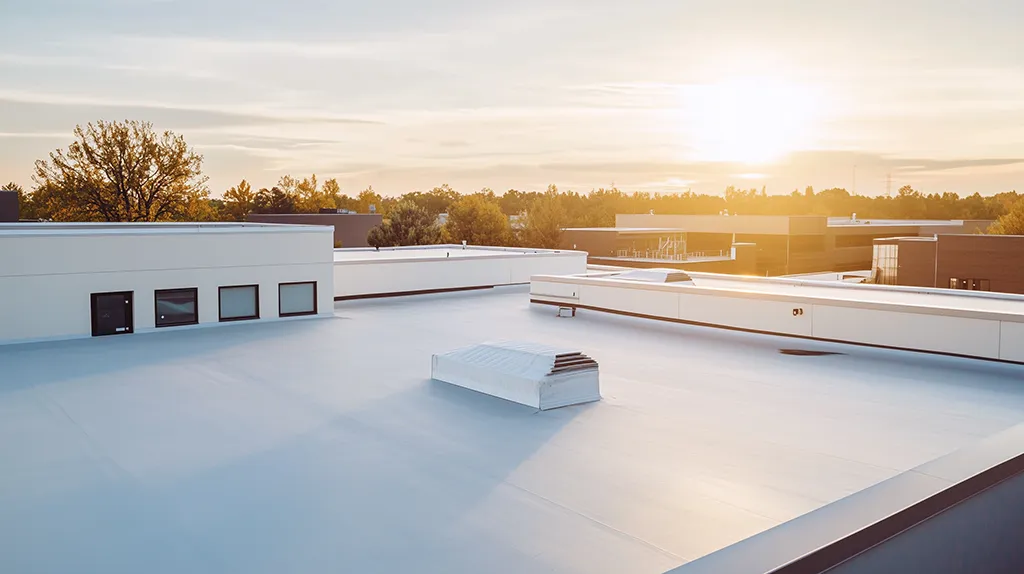
Pros and Cons of Flat Roofs for Commercial Properties
By Kresta Roofing
When it comes to commercial roofing, flat roofs are one of the most common choices for businesses in the San Antonio and Boerne areas. These roofing systems are popular for many reasons, but they also come with some drawbacks that you need to consider before deciding if a flat roof is the right option for your building. I’ve worked with many commercial property owners over the years, and whether you’re dealing with a large warehouse, office building, or retail center, it’s important to weigh the pros and cons of flat roofing systems to make an informed decision.
Pros of Flat Roofs
1. Cost-Effective Installation
One of the biggest advantages of a flat roof is itscost-effectiveness. Flat roofs generally require fewer materials and are easier and quicker to install than pitched roofs. For commercial property owners looking to maximize their budget, the lower upfront cost of a flat roof is a huge benefit.
In fact, according to the National Roofing Contractors Association, the cost of a flat roof installation is typically 25-35% lower than that of a pitched roof, depending on the materials used. Given the economic constraints many businesses face, especially in growing areas like Boerne and San Antonio, this can be an attractive feature.
2. Easy Maintenance and Repairs
Flat roofs offer easier access for maintenance and repairs compared to sloped roofs. Whether you’re inspecting the roof or making minor repairs, a flat surface allows contractors to move around more easily and efficiently. This is especially important for large commercial buildings, where regular inspections are necessary to ensure the roof is performing well year-round.
Additionally, flat roofs provide a stable platform for HVAC systems, solar panels, and other equipment that businesses in San Antonio often need due to the hot climate. Having equipment on the roof keeps it out of sight and saves valuable space on the property.
3. Maximizing Usable Space
Another major advantage of flat roofs is that they allow commercial property owners to maximize usable space. A flat roof can be used for a variety of purposes beyond just covering the building. For example, some businesses use flat roofs as a location for additional outdoor space or as an area to install energy-efficient solar panels.
Given San Antonio’s increasing focus on sustainability and energy efficiency, solar panel installations on commercial roofs have been on the rise. A flat roof provides the ideal layout for installing a solar array with optimal sun exposure.
Cons of Flat Roofs
1. Drainage Issues
One of the main disadvantages of flat roofs is that they don’t drain water as efficiently as pitched roofs. While flat roofs aren’t completely flat—they have a slight slope to allow water runoff—water can still accumulate more easily. Poor drainage can lead to pooling water, which over time can cause leaks and lead to costly damage to both the roof and the interior of the building.
In San Antonio, where heavy rainstorms are a part of life, proper drainage is especially important. Installing the right drainage systems, such as internal drains or scuppers, can help mitigate this issue, but it’s something every property owner should be aware of.
2. Shorter Lifespan
Flat roofs generally have a shorter lifespan compared to pitched roofs. Depending on the materials used, a flat roof might last 15-20 years with proper maintenance, while a pitched roof can last 25 years or more. Common flat roofing materials like TPO (thermoplastic polyolefin), EPDM (ethylene propylene diene monomer), or modified bitumen are durable but still prone to weathering from the intense Texas sun and other seasonal conditions.
However, choosing a high-quality material from a trusted manufacturer, like GAF’s EverGuard® TPO roofing system, can help extend the lifespan of your flat roof. As a GAF Certified roofer, I always recommend top-tier products that are designed to perform well in the challenging weather conditions we experience in Texas.
3. More Frequent Maintenance
While flat roofs offer easier access for maintenance, they also require more frequent attention to stay in good condition. The lack of natural water runoff can result in standing water, which accelerates wear and tear. Additionally, debris such as leaves or dirt can accumulate more easily on a flat surface, potentially blocking drains and creating other issues.
I always advise commercial property owners in San Antonio and Boerne to schedule regular roof inspections and cleanings, especially after heavy storms. The good news is that because flat roofs are easier to navigate, these maintenance tasks can typically be completed faster and at a lower cost than with pitched roofs.
Final Considerations
Flat roofs offer many advantages for commercial properties, especially when it comes to cost, accessibility, and space utilization. However, they also come with challenges like drainage issues and a shorter lifespan. With the right materials and regular maintenance, you can minimize these drawbacks and make the most of your flat roofing system.
At Kresta Roofing, we’ve installed and maintained numerous flat roofs for businesses throughout San Antonio and Boerne, and we understand the unique demands of the Texas climate. Whether you need a new installation or help maintaining your existing flat roof, we’re here to ensure your commercial property is protected for years to come.
Sources:
- National Roofing Contractors Association: https://www.nrca.net
- GAF EverGuard® TPO Roofing: https://www.gaf.com
Read Also: